
Is Your Doctor’s Scan Enough? The Medical Benefits of 4D Ultrasounds
“An ounce of prevention is worth a pound of cure.” For expecting parents, those words have never rung truer. In the beautiful, small community of


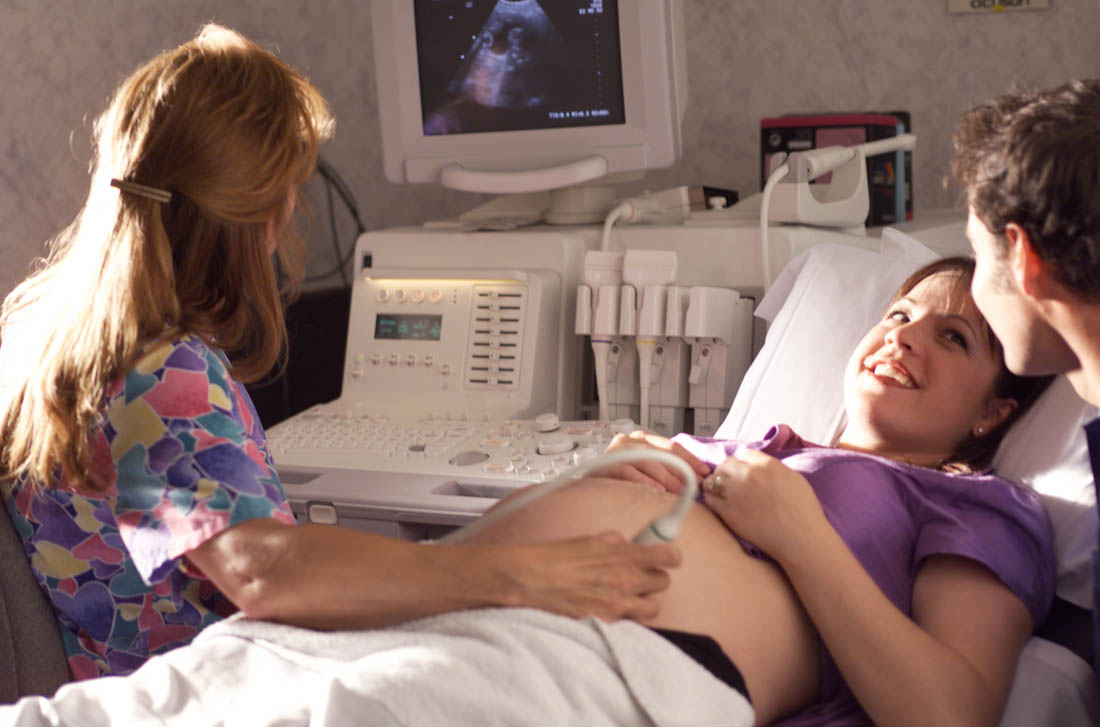
That moment you see your baby on the screen during a 4D ultrasound in Cleburne TX, – a tiny yawn, a little wave, a sleepy stretch – it’s truly unforgettable. It’s like a magical sneak peek into their world, building a bond even before you meet them face-to-face. These live “movies” of your baby are incredible, offering a depth and connection that traditional ultrasounds can’t quite capture.
As expectant parents, it’s natural to have questions about everything, especially when it comes to your baby’s well-being. And one common question we hear is, “Are 4D ultrasounds really safe in the long run? Will they have any lasting effects on my baby?” It’s a very thoughtful question, and one we’re here to answer with clear, simple information to put your mind at ease, especially regarding the important guidelines set by the American Institute of Ultrasound in Medicine (AIUM). If you’re in Cleburne, TX, and looking for an ultrasound experience you can trust, understanding these standards is key.
First, let’s understand how ultrasounds work. Unlike X-rays or other imaging techniques that use radiation, ultrasounds use sound waves. Think of it like a bat using sound to “see” in the dark. A special device called a transducer sends out high-frequency sound waves that bounce off your baby inside the womb. These echoes are then picked up by the same transducer and sent to a computer, which translates them into an image on a screen.
For 4D ultrasounds, it’s essentially a rapid sequence of these 3D images, put together so quickly that it creates a moving video, like a mini-movie of your baby in real-time. This technology has been around for many years, constantly improving to give clearer, more detailed views.
When we talk about the safety of ultrasounds, especially 4D scans, the American Institute of Ultrasound in Medicine (AIUM) is a name you’ll often hear. Think of the AIUM as a leading expert group made up of doctors, sonographers, and scientists who are dedicated to making sure ultrasound technology is used safely and effectively. They publish guidelines and recommendations that many reputable ultrasound facilities follow, setting the “gold standard” for practice.
For you, as an expectant parent, knowing that a facility adheres to AIUM safety standards means:
These standards are particularly important for elective 4D ultrasounds, which are chosen for bonding and keepsake purposes rather than medical diagnosis. While these scans offer incredible joy, they still involve medical equipment and should be performed with the utmost care.
One of the most important principles promoted by the AIUM (and adopted widely in medical imaging) is ALARA, which stands for “As Low As Reasonably Achievable.”
What does ALARA mean for your 4D ultrasound in Cleburne, TX?
The ALARA principle is a constant reminder to professionals that while ultrasound is safe, responsible use is key. It’s about being thoughtful and precise with every scan.
The AIUM guidelines also talk about two specific numbers that ultrasound machines display during a scan:
A facility that follows AIUM standards means its sonographers understand these indices and are trained to operate the equipment to keep both TI and MI well within safe, acceptable limits throughout the scan.
One of the cornerstones of AIUM safety standards is the emphasis on qualified professionals. This means:
When you visit a facility that prioritizes these aspects, you’re placing your trust in knowledgeable hands, which is a huge part of feeling confident about your 4D ultrasound in Cleburne, TX, experience.
If you’re in Cleburne, Texas, and looking for a place to get that special 4D ultrasound, understanding these AIUM safety standards is incredibly helpful. It empowers you to ask the right questions and choose a facility that is truly committed to your baby’s safety and your peace of mind.
While Cleburne may have various options, seeking out a facility that openly discusses and adheres to these national guidelines ensures you’re getting a top-tier, responsible experience. It’s about more than just convenience; it’s about confidence in the care you receive. A reputable center will be transparent about its practices and proud to tell you how it meets these important safety benchmarks.
It’s also helpful to know what the AIUM and other major medical bodies discourage when it comes to ultrasounds, particularly for non-medical reasons:
These guidelines are not meant to scare parents, but rather to ensure that a wonderful bonding experience remains safe and responsible. A facility that aligns with AIUM standards will naturally avoid these discouraged practices.
With all the talk about safety standards, it’s easy to forget the incredible joy and benefits that a responsibly performed 4D ultrasound in Cleburne, TX, brings:
These benefits are why 4D ultrasounds are so popular, and by understanding AIUM safety standards, you can fully enjoy these moments with absolute peace of mind.
A: The core safety principles (like ALARA and monitoring TI/MI) apply to all forms of diagnostic and elective ultrasound. While 4D involves more data processing and a live video, the fundamental approach to safety is consistent across 2D, 3D, and 4D when performed correctly.
A: A great sign of a qualified sonographer is if they are “registered” or “certified” by a recognized body like the American Registry for Diagnostic Medical Sonography (ARDMS). You can ask the facility if their sonographers hold such credentials. This shows they’ve met national standards for competence.
A: While typically safe within recommended limits, AIUM discourages prolonged, non-medical ultrasound exposure. Reputable facilities structure their 4D sessions to be efficient and effective without being overly long. If a facility suggests very extended sessions purely for “entertainment,” it’s worth asking about their adherence to national safety guidelines.
A: While some states or counties might have local nuances, most reputable ultrasound facilities, regardless of specific local city regulations, strive to follow broader national guidelines set by organizations like the AIUM and FDA, as these represent the accepted best practices for safety and quality. When looking for a provider in Cleburne, ask about their adherence to AIUM standards.
A: The temperature increase (thermal effect) from a diagnostic or elective 4D ultrasound in Cleburne, TX, performed by a trained professional using ALARA principles is extremely small and well within safe limits, far below what would be considered harmful. The AIUM’s TI (Thermal Index) display helps sonographers monitor this.
A: While you don’t need to be an expert in ultrasound machines, a reputable facility should use modern, well-maintained equipment. They should have regular quality control checks and maintenance records, and be transparent about their commitment to equipment safety as part of their overall adherence to standards like those from the AIUM.
Your pregnancy journey is a unique and precious time, filled with anticipation and love. Choosing where to have your 4D ultrasound in Cleburne, TX, is a big decision, and understanding the safety standards set by organizations like the AIUM helps you make that choice with confidence. It’s about knowing that you’re in capable hands, using the best equipment, in an environment that prioritizes your family’s safety and comfort.
At 4Baby Ultrasound, we understand the importance of this special experience. We are proud to uphold the highest standards in everything we do, from our friendly, expert team to our state-of-the-art ultrasound equipment, always operating with your baby’s well-being as our primary focus.
Our commitment means you can relax and fully immerse yourself in the incredible moment of seeing your baby in 4D, knowing you’re in a place that truly cares and adheres to established safety guidelines. We’re here to create beautiful, lasting memories for your family.
Ready to experience the 4Baby difference in a safe and welcoming environment? You can connect with us directly by calling (214) 987-3604 or (903) 213-7030. If you’re in the Dallas-Fort Worth area, which includes nearby Cleburne, you can also reach us at (817) 590-0200. We have convenient locations in Irving, Tyler, and Mansfield, Texas, ready to welcome you and your growing family with the utmost care and professionalism.
Our 4 Baby ultrasound and sonogram sessions allow you to see your unborn baby in 2d, 3d, and 4d live motion with a 3D/4D/HD ultrasound at our locations in Texas, serving Dallas, Fort Worth, Waxahachie, Ennis, Grapevine, Frisco, Flower Mound and Tyler Texas as well.
“An ounce of prevention is worth a pound of cure.” For expecting parents, those words have never rung truer. In the beautiful, small community of
“The smallest things take up the most room in your heart.” For expectant parents in Bedford, Texas, a city of over 49,000 residents, the journey
We provide a safe and comfortable environment for you and your guests to experience your gender blood test, 2D gender reveal or 3D sonograms and 4D ultrasounds.
2025 © 4babyultrasound All rights reserved | Powered by 4Baby Ultrasound & Photography Boutique