Baby Size Comparisons Using Fruits (Week By Week)

In the following way, the fruits are compared to the baby’s size throughout pregnancy.

First Trimester

Week 6 - Pea (1/6 to 1/4 inch)

Size: About 1/6 to 1/4 inch (4–6 mm)
Fruit Comparison: Roughly the size of a pea

What’s Happening: Your baby may be tiny, but big things are happening! The basic structures for the brain, spine, and heart are forming. The heart may even begin to beat this week, and small bumps that will become arms and legs are starting to show.

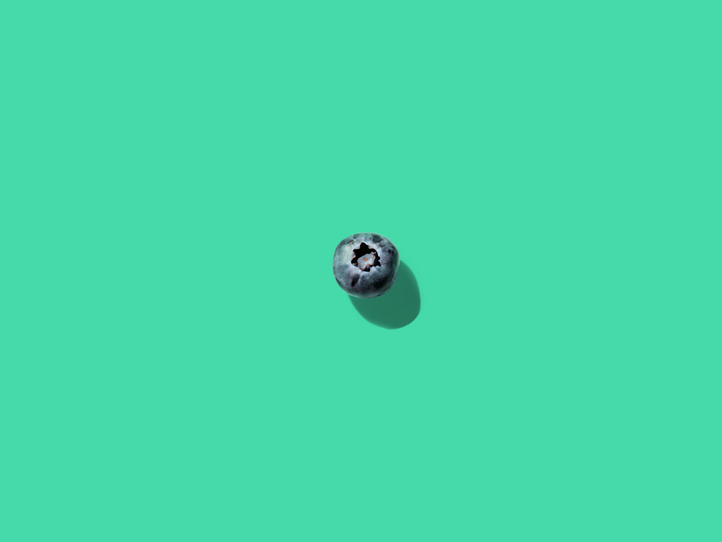
Week 7 - Blueberry (1/4 to 1/3 inch)

Size: About 1/4 to 1/3 inch (6–9 mm)

Fruit Comparison: About the size of a blueberry

What’s Happening:
Your little one is growing quickly! At this stage, your baby’s brain and facial features are developing rapidly. Tiny limb buds are beginning to form into arms and legs, and the beginnings of eyes and nostrils are taking shape. The heart is beating and becoming more regular.

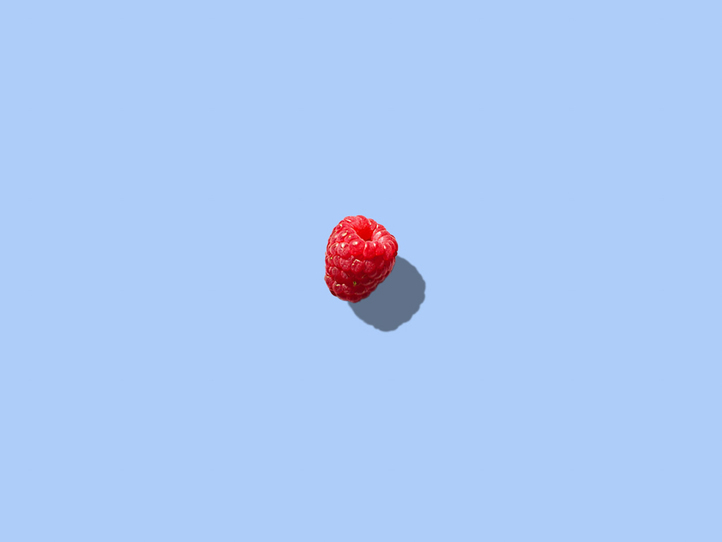
Week 8 - Raspberry (0.6 inches)

Size: About 0.6 inches (15 mm)

Fruit Comparison: About the size of a raspberry


What’s Happening:
Your baby is starting to look more human! Fingers and toes are forming (though still webbed), and eyelids are beginning to cover the eyes. Major internal organs like the heart, lungs, and brain continue to develop. This is a crucial stage of growth and transformation.

Week 9 - Cherry (3/4 inch)

Size: About 3/4 inch (19 mm)

Fruit Comparison: About the size of a cherry


What’s Happening:
At this stage, your baby’s basic physiology is well underway. Tiny muscles are starting to develop, allowing for small movements (though you can’t feel them yet). The heart has divided into four chambers, and the face continues forming with a more recognizable shape.

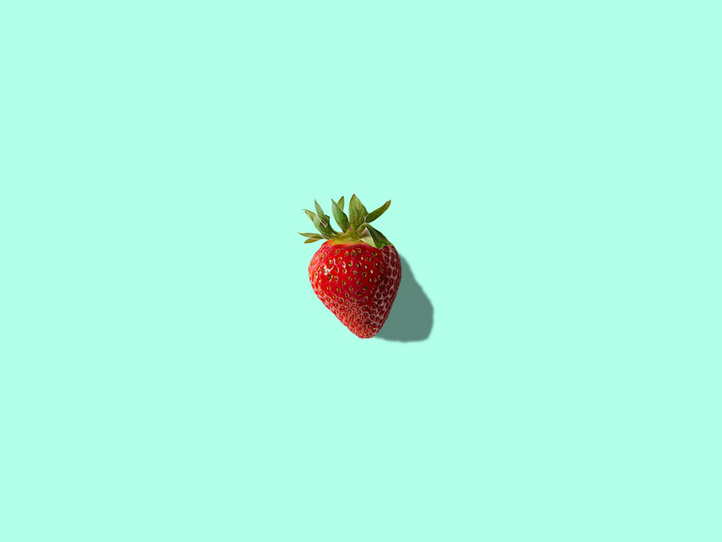
Week 10 - Strawberry (1.22 inches)

Size: About 1.22 inches (31 mm)

Fruit Comparison: About the size of a strawberry


What’s Happening:
Your baby is now officially a fetus! Vital organs like the kidneys, liver, and brain are all in place and starting to function. Tiny nails are forming on fingers and toes, and limbs can now bend. The head is still large compared to the body, but the neck is developing and lifting it more upright.

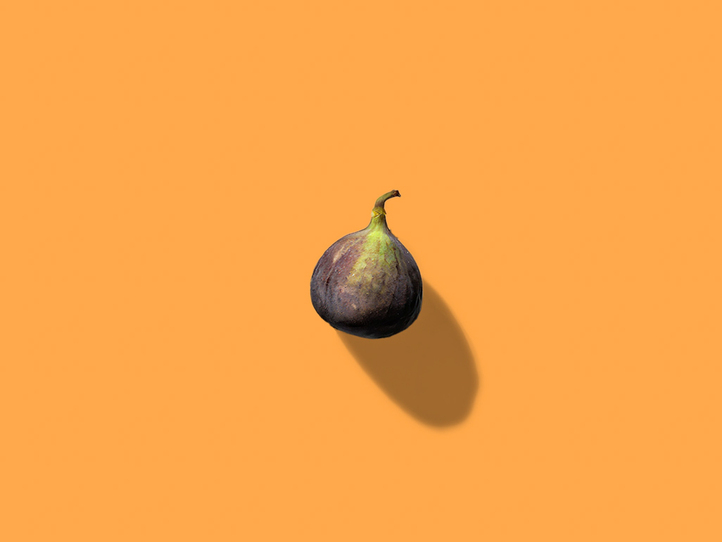
Week 11 - Fig (1.61 inches)

Size: About 1.61 inches (41 mm)
Fruit Comparison: About the size of a fig

What’s Happening: Your baby is growing rapidly, and the body is starting to catch up with the size of the head. Tiny tooth buds are forming under the gums, and the fingers and toes are separating. Your baby can now stretch, kick, and even hiccup—though it’s still too early for you to feel it.

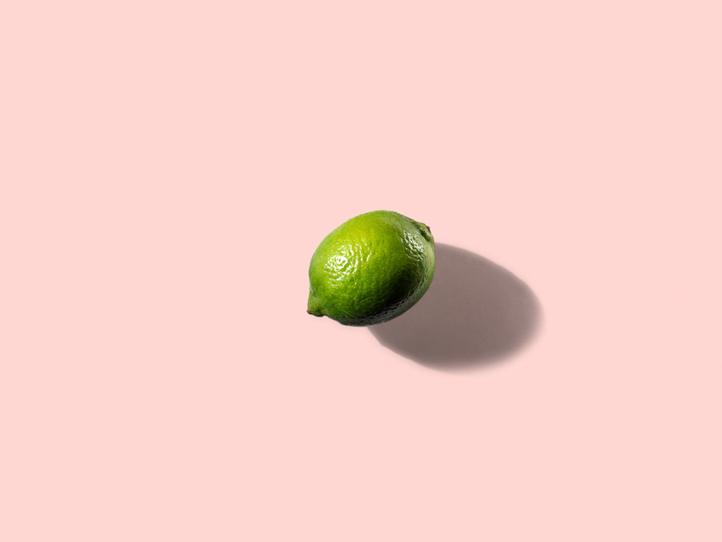
Week 12 - Lime (2.13 inches)

Size: About 2.13 inches (54 mm)

Fruit Comparison: About the size of a lime


What’s Happening:
Your baby is now fully formed! All major organs and body systems are in place and beginning to function. Reflexes like sucking and swallowing are developing, and your baby can even open and close their fingers and curl their toes. From here on out, the focus is on growth and maturing.

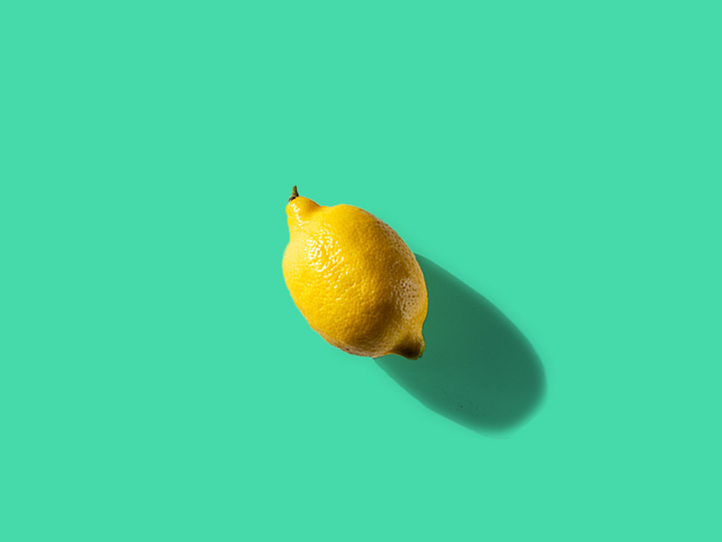
Week 13 - Lemon (3 inches)

Size: About 3 inches (76 mm)

Fruit Comparison: About the size of a lemon


What’s Happening:
Welcome to the second trimester! Your baby’s vocal cords are forming, and bones are starting to harden. The head is now more proportional to the body, and tiny fingerprints are developing. Though still small, your baby is moving more actively and may even start sucking their thumb.

Second Trimester

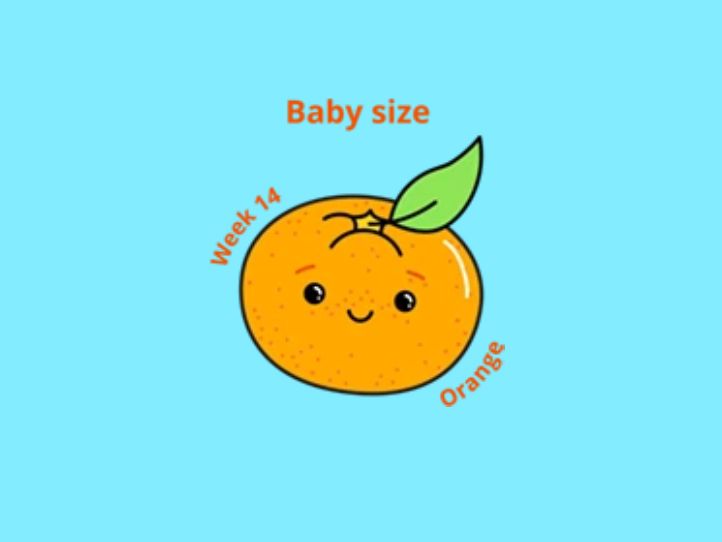
Week 14 - Orange (3.5 inches)

Size: About 3.5 inches (89 mm)

Fruit Comparison: About the size of an orange


What’s Happening:
Your baby is now beginning to make facial expressions—frowning, squinting, even smiling! Hair is starting to grow on the head and eyebrows, and the body is covered in soft lanugo (a fine, downy hair). The kidneys are producing urine, and the baby is practicing swallowing amniotic fluid.

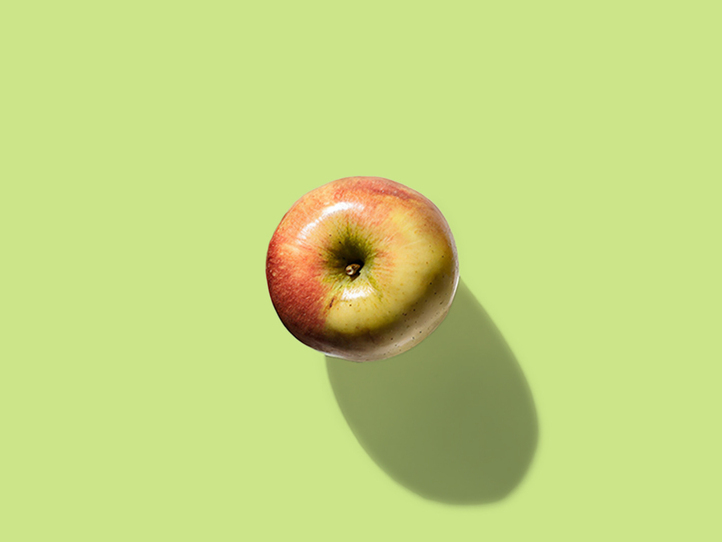
Week 15 - Apple (4 inches)

Size: About 4 inches (102 mm)
Fruit Comparison: About the size of an apple

What’s Happening: Your baby is growing steadily and developing more defined features. The ears are almost in their final position, and the eyes are moving closer together. Bones are getting stronger, and the skin, though still translucent, is forming layers. You may even be able to see your baby’s movements on an ultrasound now!

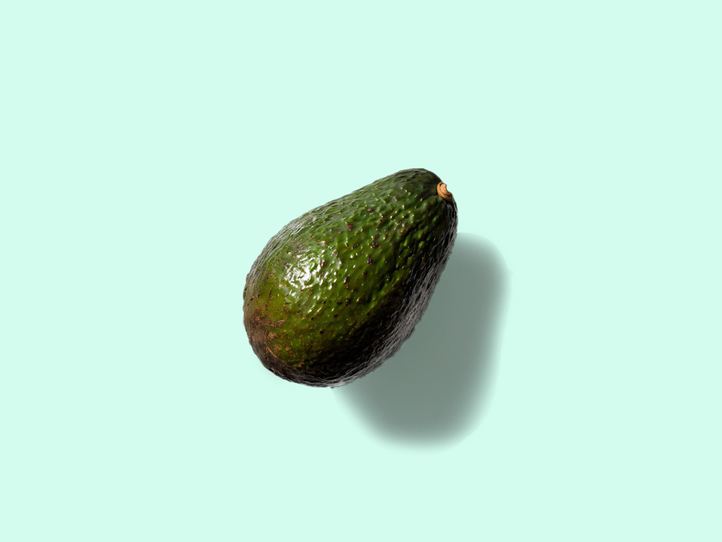
Week 16 - Avocado (4.5 inches)

Size: About 4.5 inches (114 mm)
Fruit Comparison: About the size of an avocado

What’s Happening: Your baby is starting to look more like a newborn! The limbs are more proportionate, and joints are fully functional. Muscle development is well underway, allowing for more frequent and coordinated movements. The circulatory system is working, and tiny facial muscles are forming, allowing your baby to make expressions.

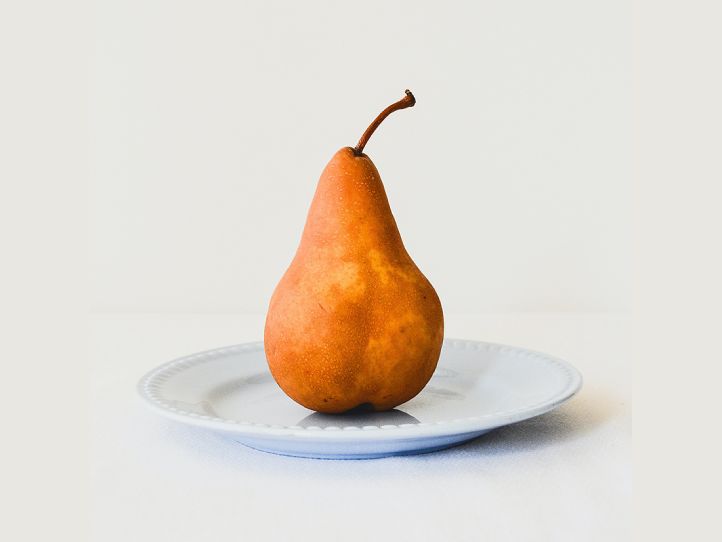
Week 17 - Pear (4.75 inches)

Size: About 4.75 inches (121 mm)
Fruit Comparison: About the size of a pear

What’s Happening: Your baby is putting on more weight and starting to store body fat. The skeleton is continuing to harden from cartilage into bone, and the sweat glands are forming. The heart is now regulated by the brain and beats at a steady rhythm, pumping about 25 quarts of blood each day!

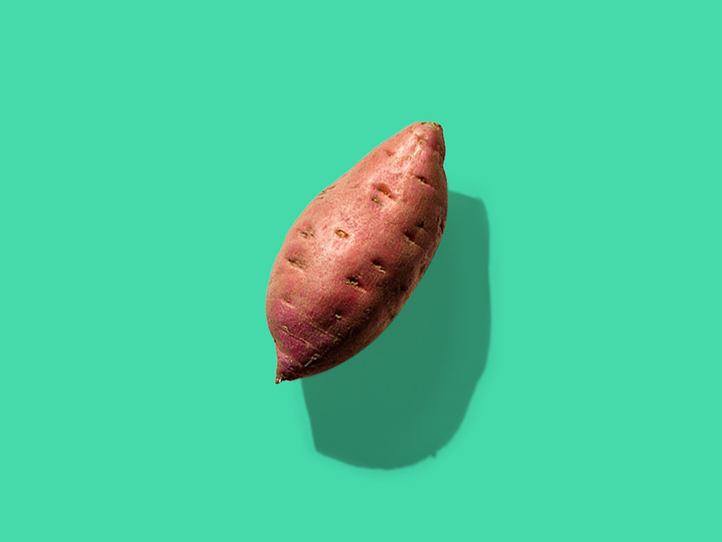
Week 18 - Sweet potato (5.5 inches)

Size: About 5.5 inches (140 mm)
Fruit Comparison: About the size of a sweet potato

What’s Happening: Your baby’s nervous system is maturing, and the brain is developing areas responsible for the senses—touch, taste, sight, hearing, and smell. The ears are now in position, and your baby may be able to hear sounds from the outside world! You might also begin to feel light flutters of movement, known as “quickening.”

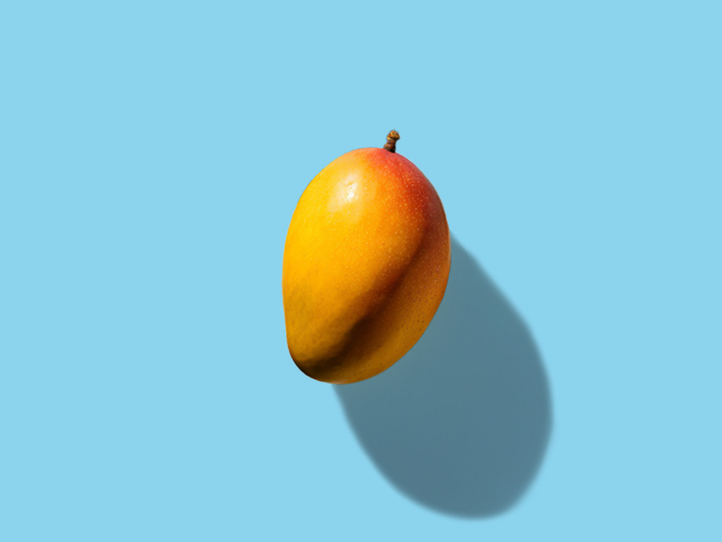
Week 19 - Mango (6 inches)

Size: About 6 inches (152 mm)
Fruit Comparison: About the size of a mango

What’s Happening: Your baby is developing a protective coating called vernix caseosa, a creamy, white layer that shields the skin from the amniotic fluid. The senses are sharpening, especially hearing, and your baby may respond to familiar voices. Arms and legs are now in proportion to the body, and stronger movements may be felt soon.

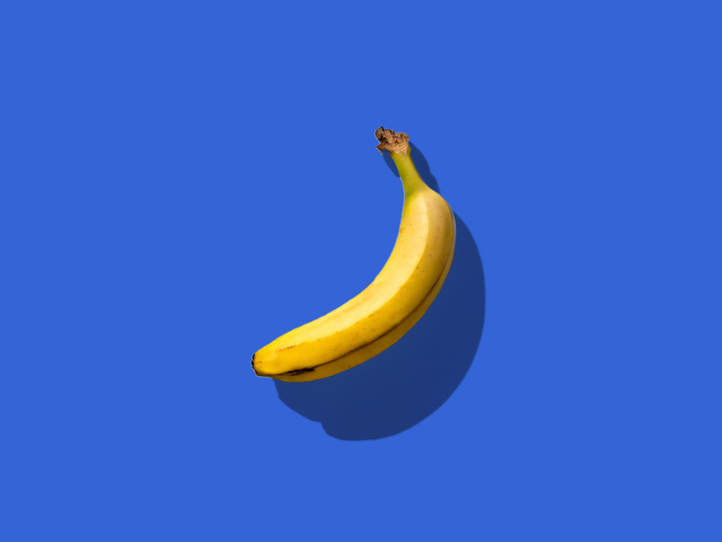
Week 20 - Banana (6.5 inches)

Size: About 6.5 inches (165 mm)
Fruit Comparison: About the size of a banana

What’s Happening: Congratulations—you’re halfway through your pregnancy! Your baby is now developing sleep and wake cycles, and you might notice patterns in their movement. The digestive system is working, and your baby is swallowing more amniotic fluid. A mid-pregnancy ultrasound around this time can reveal the baby’s sex and check overall development.

Week 21 - Large banana (7.25 inches)

Size: About 7.25 inches (184 mm)
Fruit Comparison: About the size of a large banana

What’s Happening: Your baby is growing steadily and beginning to look more like a newborn. Skin is still translucent but gradually thickening. The digestive system is absorbing small amounts of sugar from swallowed amniotic fluid, and bone marrow is starting to make blood cells. You may feel more pronounced kicks as the baby’s muscles strengthen!

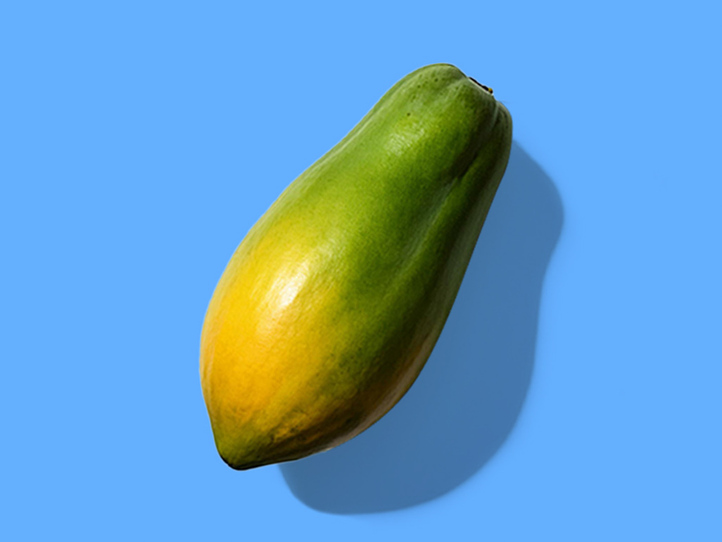
Week 22 - Papaya (7.75 inches)

Size: About 7.75 inches (197 mm)
Fruit Comparison: About the size of a papaya

What’s Happening: Your baby’s features are becoming more defined—eyebrows, eyelashes, and hair are more visible. The lips and eyelids are fully formed, and the eyes are beginning to develop color, though they still remain shut. Your baby is also learning to grip with tiny hands and may react to sounds or light outside the womb.

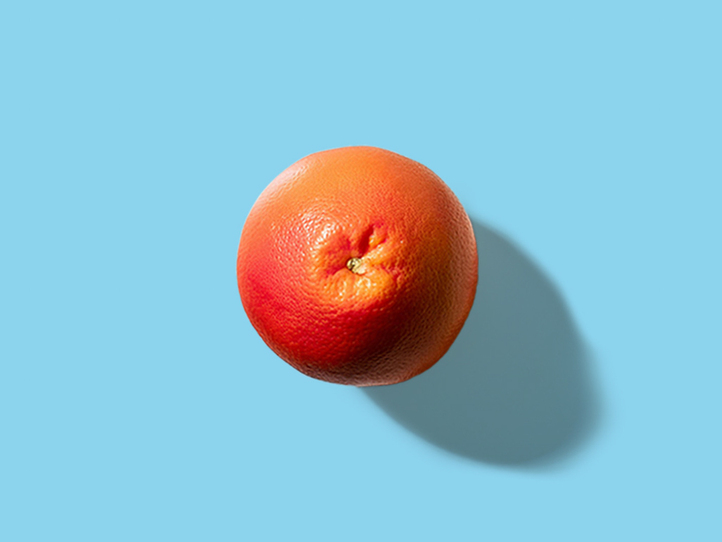
Week 23 - Grapefruit (8 inches)

Size: About 8 inches (203 mm)
Fruit Comparison: About the size of a grapefruit

What’s Happening: Your baby’s skin is still thin and wrinkled but slowly becoming more opaque. Tiny blood vessels called capillaries are forming beneath the skin, giving it a pinkish hue. The lungs are developing rapidly to prepare for breathing outside the womb, and your baby may begin to practice “breathing” motions by inhaling amniotic fluid.

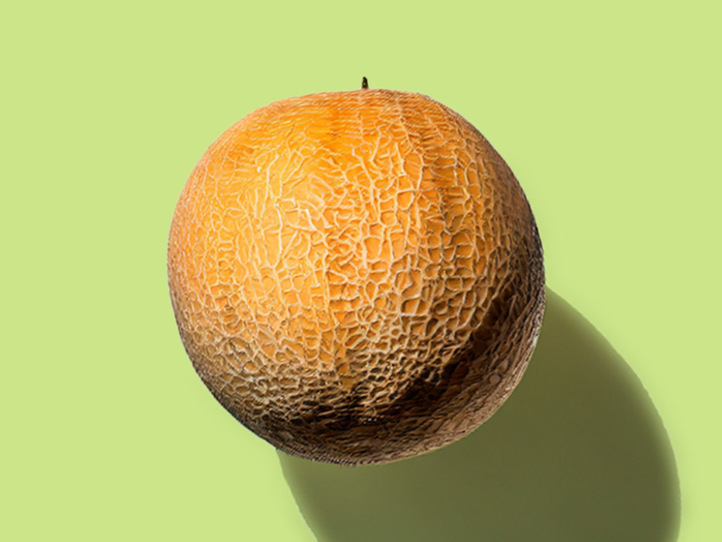
Week 24 - Cantaloupe (8.5 inches)

Size: About 8.5 inches (216 mm)
Fruit Comparison: About the size of a cantaloupe

What’s Happening: Your baby is becoming more active and may respond to your voice or loud noises with movements. The lungs are continuing to mature, and the inner ear is fully developed—meaning your baby has a strong sense of balance. Taste buds are forming, and your baby is starting to develop sleep-wake patterns.

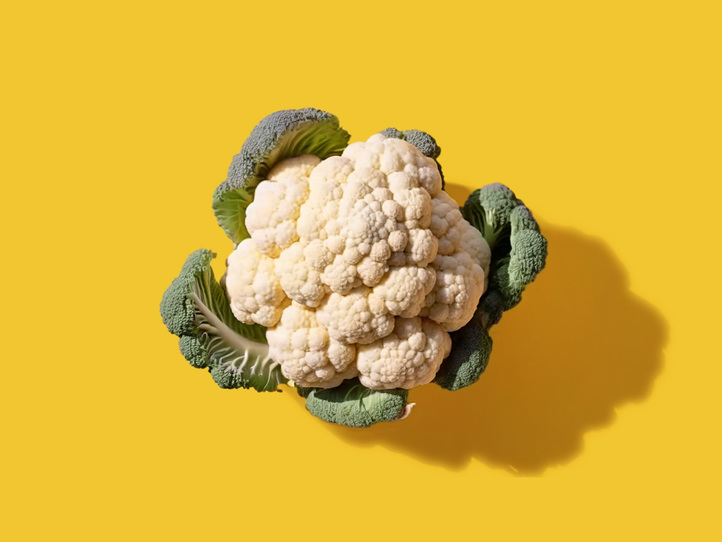
Week 25 - Cauliflower (8.75 inches)

Size: About 8.75 inches (222 mm)
Fruit Comparison: About the size of a cauliflower

What’s Happening: Your baby’s hands are now fully developed and can make a fist or grasp the umbilical cord. The skin is becoming less translucent and more pink as fat continues to accumulate. The nostrils are beginning to open, and your baby is starting to practice breathing by inhaling and exhaling small amounts of amniotic fluid.

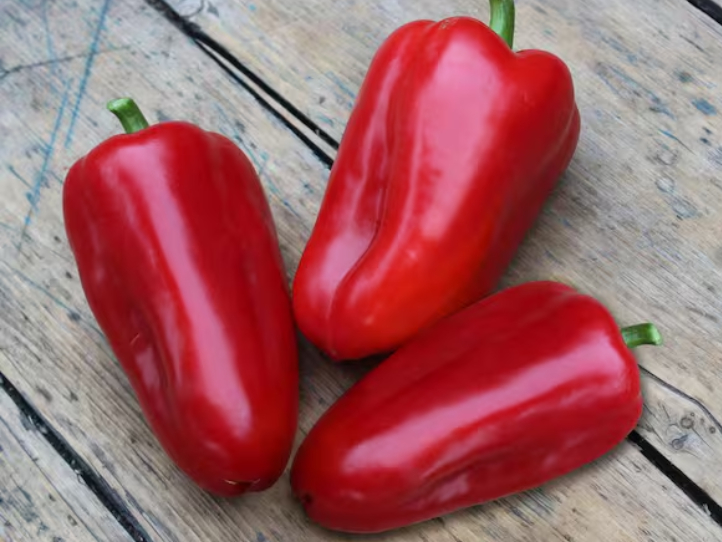
Week 26 - Red bell pepper (9.25 inches)

Size: About 9.25 inches (235 mm)
Fruit Comparison: About the size of a red bell pepper

What’s Happening: Your baby’s eyes are beginning to open for the first time, and they may start to blink in response to light. The nervous system is developing rapidly, and brain wave activity now includes patterns for hearing and sight. Tiny lungs are getting stronger, preparing your baby to breathe air after birth.

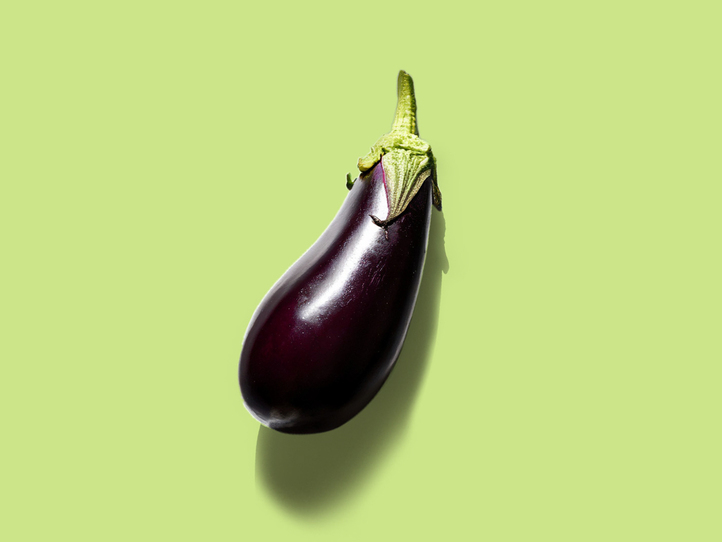
Week 27 - Eggplant (9.75 inches)

Size: About 9.75 inches (248 mm)
Fruit Comparison: About the size of an eggplant

What’s Happening: You’ve reached the third trimester! Your baby’s lungs, brain, and sleep cycles are continuing to mature. You might even notice a pattern to their movements now. Their eyes can open and close, and they may react to changes in light and sound. The body is filling out as more fat accumulates beneath the skin.

Third Trimester

Week 28 - Large eggplant (10 inches)

Size: About 10 inches (254 mm)
Fruit Comparison: About the size of a large eggplant

What’s Happening: Welcome to the start of the third trimester! Your baby’s brain is developing grooves and folds, making room for more brain tissue. Their eyelids are fluttering with REM (rapid eye movement) sleep, which means dreaming may have begun. Your baby can also sense changes in light, and their kicks may be stronger and more frequent.

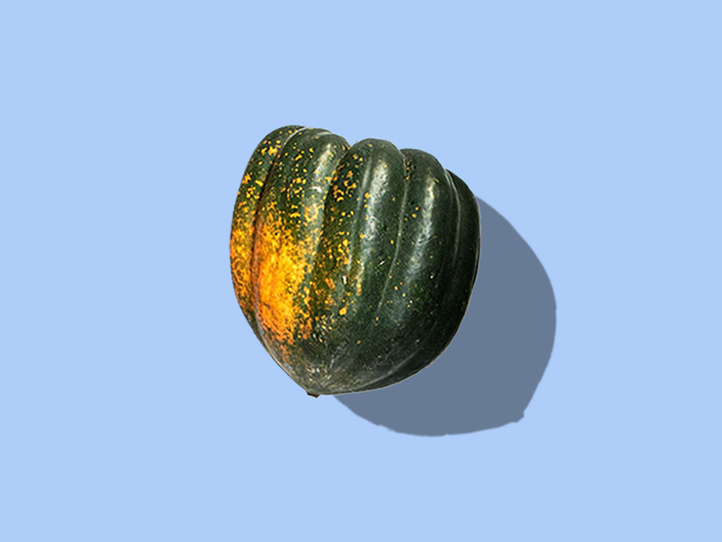
Week 29 - Acorn squash (10.5 inches)

Size: About 10.5 inches (267 mm)
Fruit Comparison: About the size of an acorn squash

What’s Happening: Your baby’s muscles and lungs continue to mature, and their movements are becoming more coordinated. The brain is growing rapidly, supporting increased activity and awareness. Your baby can now respond more strongly to sounds, light, and even your touch through the womb. Their bones are hardening, though the skull remains soft and flexible for delivery.

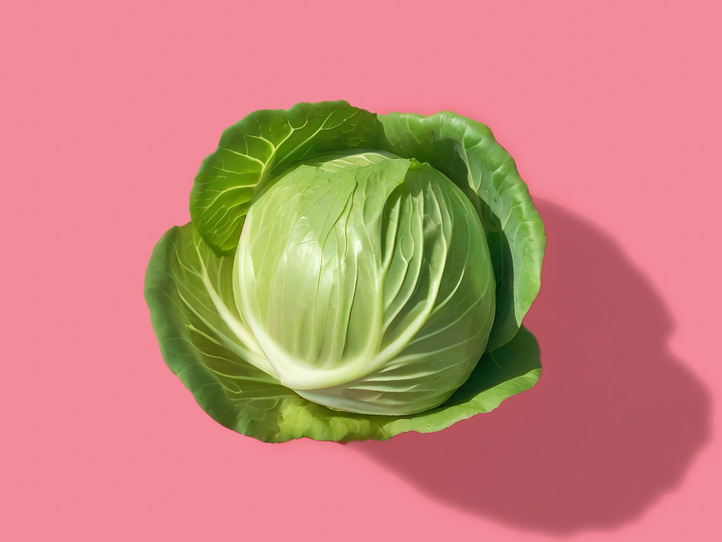
Week 30 - Large cabbage (10.75 inches)

Size: About 10.75 inches (273 mm)
Fruit Comparison: About the size of a large cabbage

What’s Happening: Your baby’s eyesight is improving, though it’s still developing. They can now track light and may even turn toward bright sources. The bone marrow has taken over red blood cell production, and your baby’s hands are strong enough to grip a finger. You may notice more rhythmic movements—like tiny hiccups—as the diaphragm strengthens.

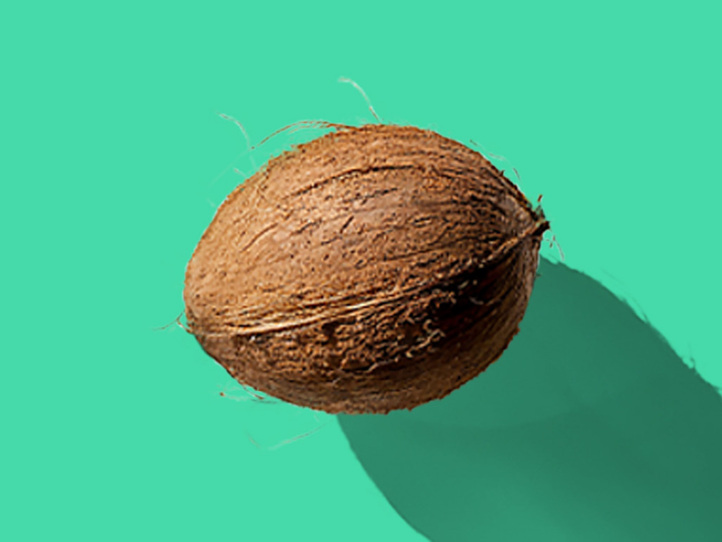
Week 31 - Coconut (11.75 inches)

Size: About 11.75 inches (298 mm)
Fruit Comparison: About the size of a coconut

What’s Happening: Your baby is becoming more active and alert! Their brain connections are developing at a fast pace, helping with temperature regulation and coordination. The lungs and digestive system are nearly mature, and your baby can now process some information from all five senses. Fat is continuing to build up, giving their body a rounder, fuller appearance.

Week 32 - Jicama (11.5 inches)

Size: About 11.5 inches (292 mm)
Fruit Comparison: About the size of a jicama

What’s Happening: Your baby is getting ready for birth! Their bones are fully developed, though still soft and flexible. The skin is becoming smoother as more fat accumulates, and your baby is practicing breathing movements more regularly. Their body is also settling into a regular sleep-wake cycle, and you might notice quieter periods as they rest.

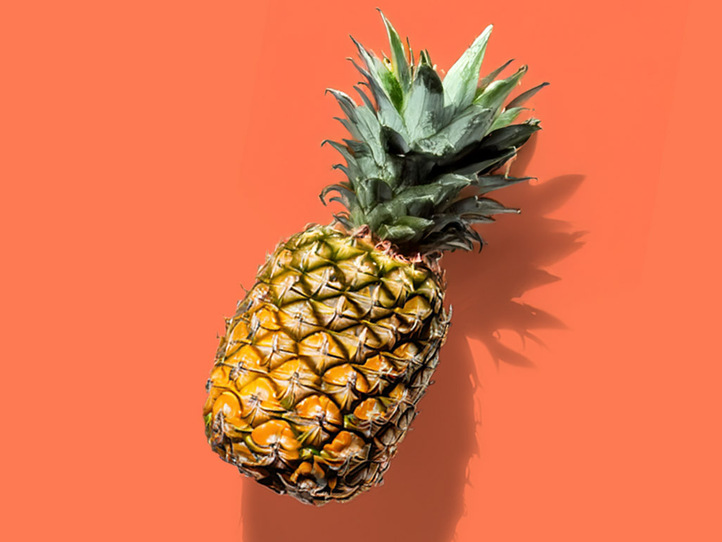
Week 33 - Pineapple (12 inches)

Size: About 12 inches (305 mm)

Fruit Comparison: About the size of a pineapple
What’s Happening: Your baby is growing rapidly and gaining weight steadily. Their skull remains soft and pliable to make delivery easier, but other bones are hardening. The immune system is developing, and the brain continues to grow, making your baby more alert and responsive to your voice and external sounds. You might feel more forceful kicks and stretches as space becomes limited.

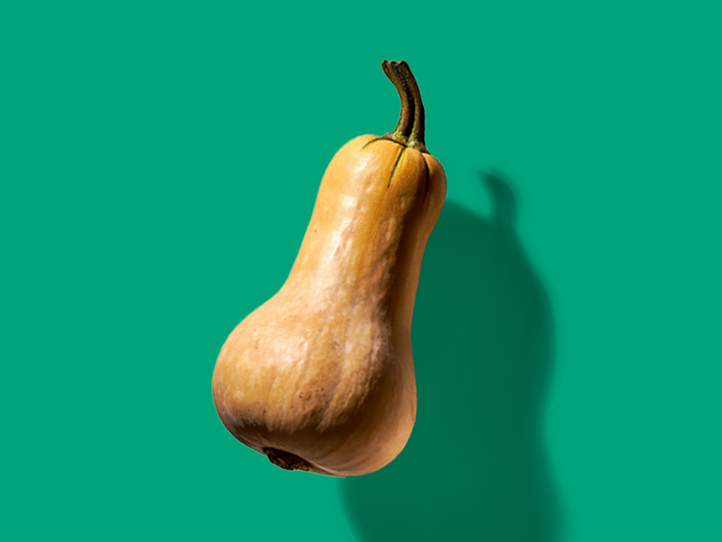
Week 34 - Butternut squash (12.75 inches)

Size: About 12.75 inches (324 mm)
Fruit Comparison: About the size of a butternut squash

What’s Happening: Your baby is almost ready for the outside world! Their central nervous system is maturing, and their lungs are nearly fully developed. The skin is becoming less red and wrinkled as fat continues to build up, helping with temperature regulation after birth. You may notice more consistent movement patterns as your baby settles into a routine.

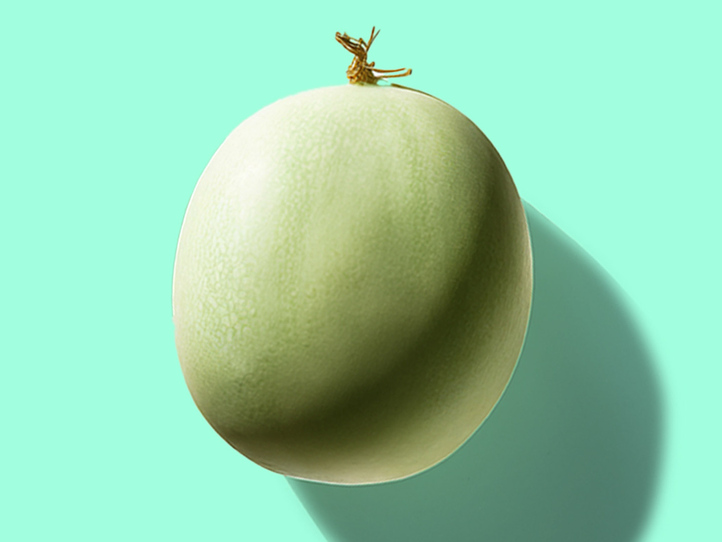
Week 35 - Honeydew melon (13.25 inches)

Size: About 13.25 inches (337 mm)
Fruit Comparison: About the size of a honeydew melon

What’s Happening: Your baby is growing rounder and stronger every day. Most major organ systems are fully developed, with the exception of the lungs, which are nearly ready for life outside the womb. Their movements might feel different—more like stretching and rolling—as space becomes limited. The baby is also turning downward in preparation for birth.

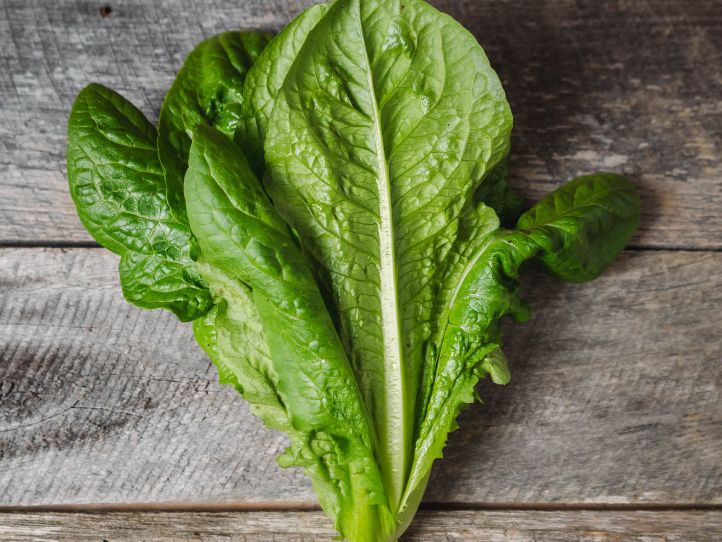
Week 36 - Romaine lettuce head (13.5 inches)

Size: About 13.5 inches (343 mm)
Fruit Comparison: About the size of a head of romaine lettuce

What’s Happening: Your baby is almost full-term! The skin is smooth, the limbs are chubby, and fat continues to build to help regulate body temperature after birth. The digestive system is fully functional, and the baby may already have a full head of hair. Most babies are now in a head-down position, getting ready for delivery.

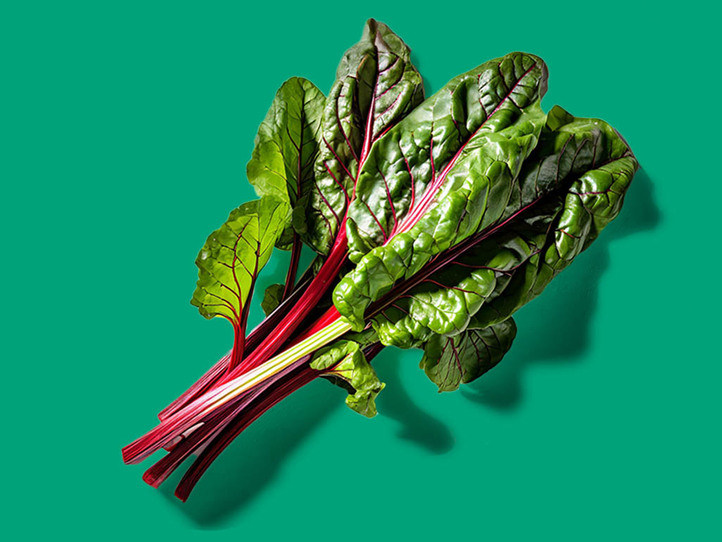
Week 37 - Swiss chard bunch (14 inches)

Size: About 14 inches (356 mm)
Fruit Comparison: About the size of a bunch of Swiss chard

What’s Happening: Your baby is considered early term now and is continuing to build fat to support temperature regulation after birth. The lungs are likely fully developed, and your baby is practicing breathing, sucking, and swallowing. Their grip is strong, and movements may feel slower but more powerful due to limited space in the womb.

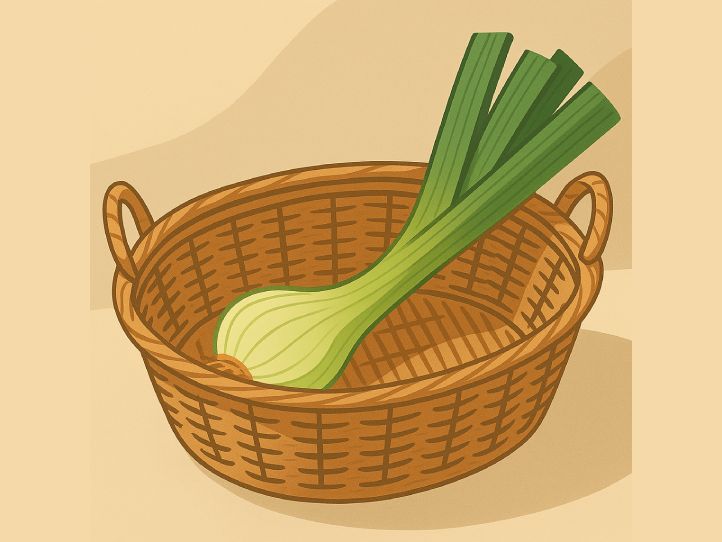
Week 38 - Leek (14 inches)

Size: About 14 inches (356 mm)
Fruit Comparison: About the size of a leek

What’s Happening: Your baby is officially full term, and their organs are ready for life outside the womb. The brain and lungs are still maturing, but most major development is complete. Your baby is shedding the fine lanugo hair and vernix that protected their skin. At this stage, they’re just adding final touches—like gaining weight and practicing movements—for the big day.

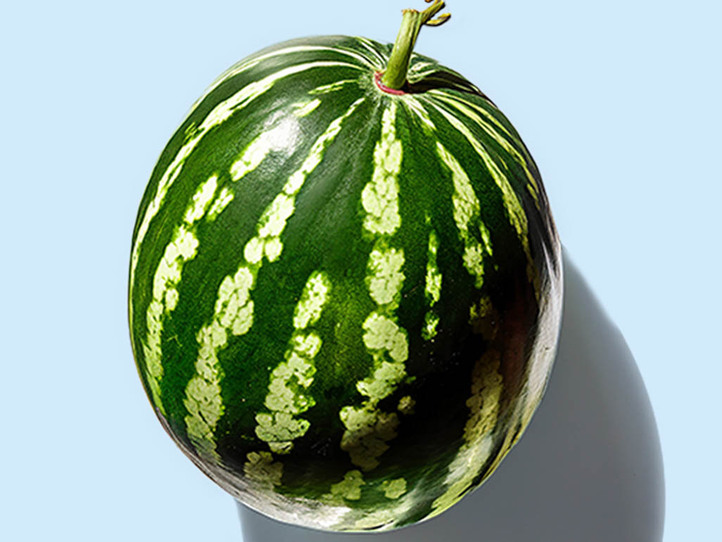
Week 39 - Mini watermelon (14.5 inches)

Size: About 14.5 inches (368 mm)
Fruit Comparison: About the size of a mini watermelon

What’s Happening: Your baby is full-term and ready to meet the world any day now! Their body is fully developed, and they’re continuing to build fat to help regulate body temperature after birth. The brain is still developing rapidly, and their movements may feel more like stretches and shifts as they get into final position for delivery.

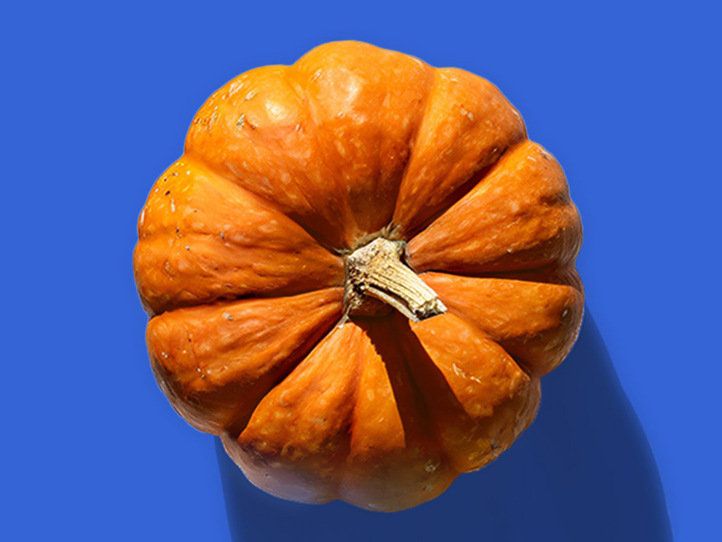
Week 40 - Small pumpkin (15 inches)

Size: About 15 inches (381 mm)
Fruit Comparison: About the size of a small pumpkin

What’s Happening: You’ve reached your due date—congratulations! Your baby is fully developed and ready for life outside the womb. At this point, they’re simply growing and waiting for the right time to make their grand entrance. The skull bones are still soft and flexible, helping them pass through the birth canal safely during delivery.

Note:

  • The baby’s growth is visualized with the help of comparisons.

  • Fetal development milestones are more important indicators than exact size measurements

  • Babies grow at different rates, so these are general approximations

  • Measurements are typically crown-to-rump length until about 20 weeks, then total length

Request A

Consultation